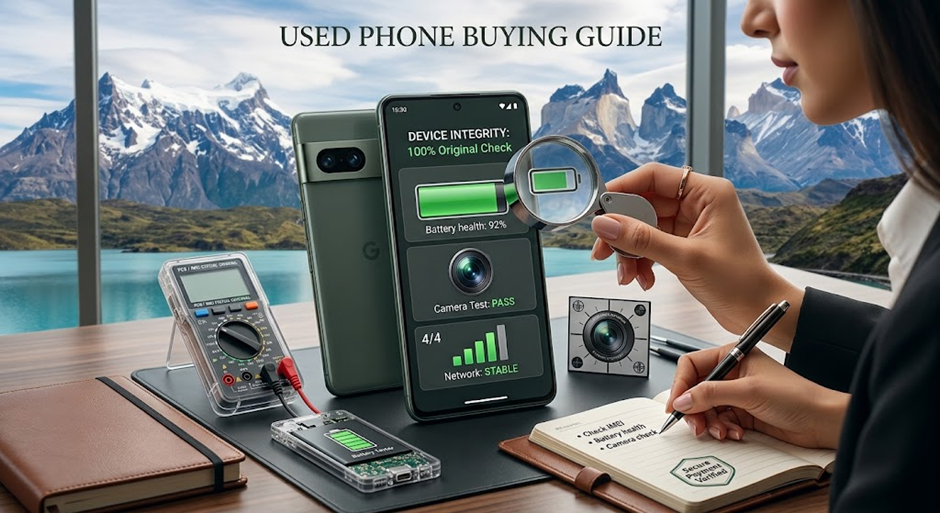
Buying a used mobile phone might save you loads of money. Nevertheless, not all pre-owned phones remain completely authentic. A few phones might have swapped-out components, or even been renovated. A reconditioned (or ‘refurbished’) phone isn’t necessarily a bad decision all the time. When done correctly, such a device will function perfectly fine and provide excellent value. Really the only problem lies in really understanding what you’re purchasing.
Some vendors might market a refurbished phone as an authentic model. This will result in customers paying way too much for the actual worth of the item. Prior to making payment, you really need to examine the phone very closely indeed. By looking at the IMEI, bodywork, screen, battery, operating system, and additional components, you’ll discover a bunch of useful information bits.
What exactly constitutes an Original or Refurbished Phone?
An original phone holds onto its true manufacturer parts, without being mislabeled as another thing altogether. A refurbished phone typically underwent repair, restoration, or even return to full functionality. It may contain new components or even have a changed-out battery. These refurbished devices originate from all sorts of places. Some get thoroughly restored professionally; whereas others were fixed locally by various handymen (technicians).
What really matters here is getting some background info about the phone’s past history prior to your purchase. Your vendor ought to explain very clearly whether the gadget is previously used, reconditioned, repaired, or fitted with non-genuine (aftermarket) parts.
Verify the IMEI Number
Your IMEI is amongst the initial things you really must verify. This code is frequently seen by entering *#06# on your phone’s keypad. Furthermore, it can also be found within the phone’s own settings menu itself. Compare the IMEI shown on the phone against the figure found on its original packaging material (if possible).
For dual-SIM phones, there might be two separate IMEI codes, so do check those out whenever possible. Also check your device’s PTA status whilst shopping in Pakistan. An IMEI discrepancy doesn’t immediately prove that your phone is counterfeit. Though it certainly acts like a red flag, requiring even more research checks.
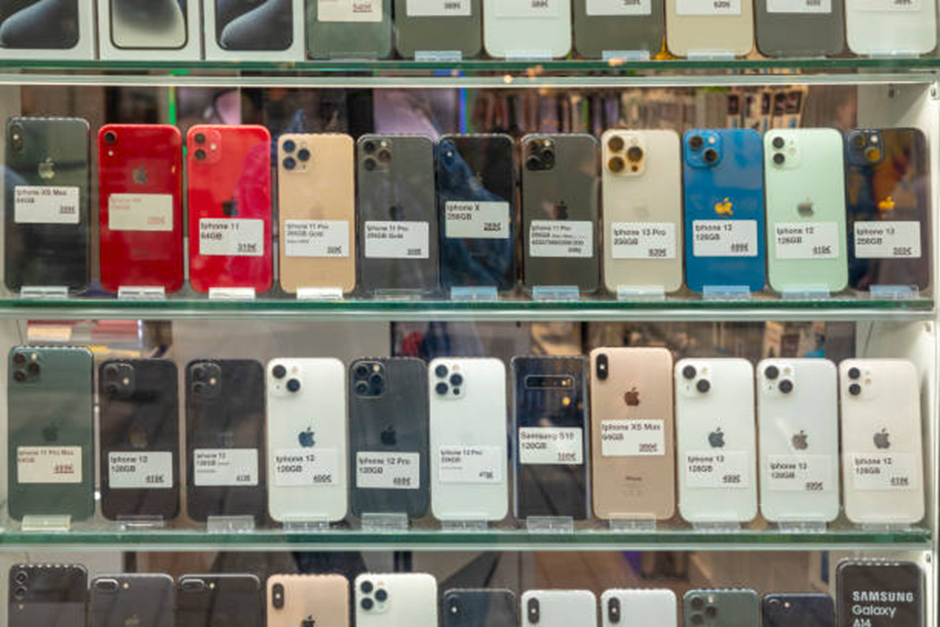
Check the Battery Condition
Your phone’s battery will give you an additional useful hint. An old smartphone with a remarkably fresh-looking battery might have gotten a new one installed. That doesn’t automatically make the phone a low-quality item itself. What really counts here is whether the battery is authentic and correctly set up.
Try checking your phone’s battery health info, if it gives that to you. Also notice just how rapidly the battery discharges while conducting some tests. Should the battery deplete way too quickly, your device may need maintenance work done on it. You should really ask the seller about replacing the battery ever happened before.
Examine the Cameras and Speakers
Evaluate all of the cameras in your phone thoroughly. Take pictures using several camera modes. Look at the sharpness of the images, their overall quality, and even the performance of the flash, plus record videos too. Also examine the front-facing camera.
Then play some music via the speakers. Pay close attention to any sign of distortion or strange noises. Make a very brief audio recording to test out the mic as well. Issues with these components could stem from past damages or subpar fixes.
Verify the Software and Device Details
Get into the phone’s settings and view its actual model details. Compare what you see there to the specs that were advertised by the seller. Check out the amount of internal memory, RAM data (if given), operating system version, and even the device’s actual name itself. You should also see if the software acts quite naturally. Be cautious indeed if your phone shows abnormal model numbers or software that doesn’t align with what the seller said was included. A counterfeit phone might employ an Android interface that closely resembles that of another manufacturer.
Find Indicators of Past Repairs
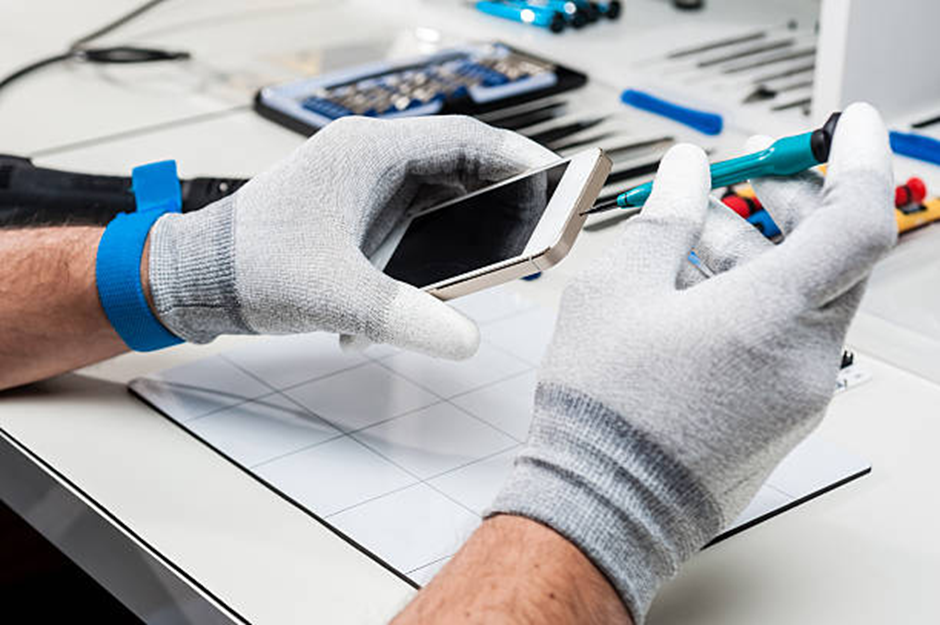
A smartphone that’s been taken apart earlier will probably exhibit a few telltale signs of repair work. Inquire from the seller whether they’ve ever changed any parts like so:
- Screen
- Battery
- Camera(s)
- Charging socket
- Back cover
- Speakers
- Motherboard
A fixed-up phone isn’t necessarily a defective buy altogether. It all boils down to how transparently the seller shares details with you.
Compare Your Phone to its Official Specs
An additional valuable method involves matching your phone against its documented technical specs. Look up information on the processor unit, screen size, camera arrangement, memory space, recharging rate, and many more key aspects. If your device contains hardware that varies significantly from what was mentioned in the sales description, start investigating further. Also compare the appearance of your device to true examples of that exact model type. Even small variations in camera positions, button layouts, connectors, and logo designs might indicate an imitation product itself.
Check the Price Very Closely
Your price will also give you some indication. When a phone sells significantly below what you’d expect from the used market, ask why it’s priced so lowly. Paying too little money doesn’t necessarily mean your phone is counterfeit. Sellers might just really need to get rid of it fastly.
| Check | What It Can Reveal |
| IMEI | Device identity and registration |
| Display | Possible replacement or damage |
| Battery | Battery condition or replacement |
| Cameras | Hardware problems |
| Software | Model and system information |
| Body | Previous opening or repair |
| Specifications | Whether the model is genuine |
| Price | Possible unusual deal |
Although, if there’s quite a big discrepancy in price, especially coupled with a few other red flags, this should make you even more cautious all the time. Instead of focusing solely on one aspect, always take into account several clues simultaneously.
Verify Your PTA Status Before Making the Purchase
To Pakistani buyers, PTA status holds great significance here. Although the phone itself may be authentic, its status could be unregistered or restricted somehow. Prior to payment, use an official PTA method or DIRBS way to verify the IMEI number. If the phone isn’t registered with PTA, find out about necessary registration procedures, along with any related expenses involved.
PhonePrice also gives information regarding local mobile prices and specs in Pakistan. Its PTA tax calculator helps buyers estimate potential registration fees better; however, always refer back to authentic sources to confirm the latest charges precisely. This particular check becomes much more significant whenever purchasing an imported pre-owned phone.
Ask your seller for documentation evidence.
Trustworthy vendors won’t mind responding to simple queries really easily. Ask them for the original sales invoice, whenever possible. You can also inquire about the warranty terms and any maintenance records.
When a seller says the phone hasn’t been tampered with at all, ask them about replaced components perhaps? Be wary of vendors who decline giving away essential info, or put a lot of pressure on you to pay immediately. Test out the phone yourself whenever feasible prior to finalizing the deal.
Conclusion
In conclusion, identifying whether a used smartphone is genuine or refurbished entails more effort than just observing its external appearance alone. First off, start by looking into the IMEI and PTA status itself. Then visually examine the screen, battery life, camera performance, physical casing, software version, and other key components thoroughly.
Ask your seller about fixes made to the phone and replaced parts. A well-fixed gadget still offers great value indeed. What matters most here is learning the true state of the phone, as well as its entire background information, before actually handing over the money.